


Over July 4th weekend in 2019, I contracted a bacterial infection in my gut that could not be treated with antibiotics. The only possible medical remedy was to let it run its two-month course. The bacteria wreaked havoc on my small intestine, and I even became lactose intolerant for a period. After the infection resolved, I continued feeling weak and fatigued. So, I turned to Google for a solution. Digging through the recesses of the internet, where health-related public forums abound, I discovered that people across the world shared the same experience as me. And I learned there was a scientific term for what I had called malabsorption.
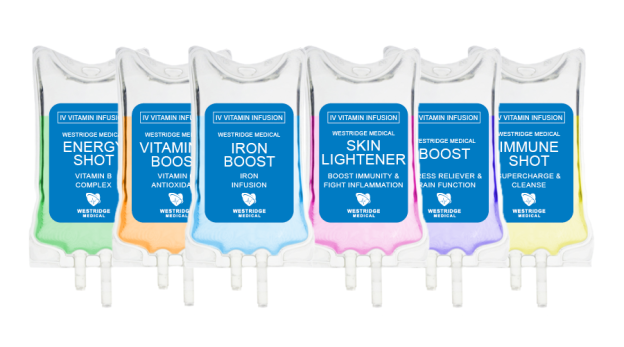
Apparently, it is common for the stomach to have trouble absorbing nutrients following a serious infection. My reddit consiglieres suggested looking into IV therapy clinics to help replenish my body with the vitamins I wasn’t getting through digestion. Living in Manhattan, there were many options. I decided to try the NutriDrip in the Flatiron district, a short cab ride from my apartment in Tudor City. Perusing the company’s website, I discovered a menu of fifteen different drips and a variety of injectable boosters. I felt like a kid in a candy store and booked an appointment for the electrolyte and vitamin C drip and two additional vitamin D and B boosters.
Over the next month, I visited NutriDrip every day. After each session, I had more energy, slept great and my gut problems seemed to be resolved. The only issue was the cost associated with each visit. I was spending hundreds of dollars on IV drips and boosters. After a month, I discovered that the vitamin B injections yielded the greatest benefit. So, I decided to skip the middleman (i.e. expensive wellness clinics) and instead bought syringes and vitamin fluid directly from Amazon.
A couple days later, I excitedly opened the cardboard package. Inside, was a ten-pack of disposable syringes and a three-ounce glass vial of opaque fluid labeled Vitamin B Complex. The only thing I worried about was the pain associated with jabbing myself with a needle. That I had absolutely zero medical knowledge and was bypassing my liver with a $10 substance purchased from Amazon didn’t really cross my mind.
I carefully inserted the syringe into the small glass container and slowly drew the dark yellow fluid into the barrel, squeezing out trapped air like I had seen in movies, and then pushed the needle into my thigh. But I didn’t notice any difference in how I felt. After receiving an injection at the IV clinic, I had felt better within minutes. Twenty minutes passed and still there was no effect. “Maybe I didn’t use enough,” I thought. So, I opened another syringe package, pulled out a fresh needle, drew the recommended two milliliters of fluid into the barrel and administered a second shot. Almost immediately, I realized that I had made a terrible mistake.
Within minutes of the second injection, anxiety started building in my stomach and engulfed my chest. This all-encompassing sensation was terrifying. Picking up the bottle, I reread the label. Durvet High Level Vitamin B Complex for Farm Animals. I had administered the same dosage of vitamins into my body that a half-ton cow was supposed to take.
I pulled out my phone and for several minutes thought about calling 911 but then decided that an ambulance would cost too much money. Plus, hospitals terrify me. Instead, I would just walk it off. Exiting my apartment, I took the elevator to the lobby and headed west on 40th Street towards Lexington Avenue. I can’t remember whether it was sunny or cloudy or anything related to the weather. My vision was blurry and narrow at the same time. After a few blocks, I decided there were too many stop signs and traffic lights to allow for a consistent pace and turned around and headed back east towards the river. After reaching the waterfront, I walked north for an hour until I couldn’t go any further. Sitting down on a metal bench, I stared at Roosevelt Island in the distance and thought, “This is it, this is where I die.”
Suddenly, an intense wave of vertigo propelled me to my feet. I decided that I would not die today and headed south on the path. Cold sweat was dripping down my back. Crossing over to First Ave, I realized that I was five minutes from the NYU Langone Hospital. I arrived at the emergency room entrance and walked through the automatic sliding glass doors. Inside the waiting room, patients stared at me from behind their COVID masks. Making it to the front desk, I explained my situation. “I took too much of a vitamin B injection and really need to get it out of my system.” The receptionist gave me a confused look. She could see that I looked unwell and asked a nurse to unfold a wheelchair for me. I sat in the black vinyl seat and was wheeled into an observation area and told to lie on a gurney.
Twenty minutes later, I was brought into a small office where a physician sitting at a desk asked me to explain everything. He could see that I looked nauseous, and a nurse handed me a sickness bag. As soon as I placed the opening to my mouth, I emptied my stomach into the opaque receptacle. But I didn’t feel any better after purging myself. The doctor instructed me to return to my gurney in the observation room where another doctor advised me not to drink any water. “Your sodium levels are low, and any additional water would deplete them further.” I was allowed only to chew on ice and quickly became dehydrated.
While in agony and lying on my narrow bed, I received a phone call from my dad who sounded more worried than I had ever heard him. He was up to speed on the current situation. “They’re likely going to keep you overnight.” He said and then added “You would be much happier in a hotel. I can get you a room at the N.Y.A.C.” (the New York Athletic Club, a member-only club with hotel rooms is located on the southernmost edge of Central Park). I couldn’t tell if he was being serious. “I want to stay overnight and be around doctors and nurses,” I said. He hung up and I then received another phone call, this time from my oldest brother who lived in the city. “What’s up?” he asked. I told him I was in the ER and very sick from a vitamin injection. He casually said “That sounds terrible. Want me to come and visit?” I said that it wasn’t necessary, and he wished me a speedy recovery.
This was during the height of the Covid pandemic in New York and the observation room was at maximum capacity with Manhattan residents who were suffering from the virus. I was afraid I would be overlooked and die on my narrow uncomfortable bed. This was what hell must be like, I decided. Exactly this, but for the rest of eternity. None of the doctors or nurses seemed to know what to do. If I had ingested the vitamins like a normal person, then purging would have quickly remediated the issue. But I had injected them into my muscle, which left my care providers with no good options. It was now 10 pm which meant that I had been in the emergency room for four hours and I still felt awful.
A different nurse walked over and told me he was taking me to another floor of the hospital. I was excited at the thought of finally getting checked into a bed in my own private room. He wheeled me into the enormous elevator, specifically built to accommodate large pieces of equipment. He stood beside me without speaking the entire ascent. After exiting on the 12th floor, we took a left and walked through a set of large steel-reinforced doors. After entering the hallway, I could immediately see we were in the psychiatric ward. The senseless rants of manic people permeated the large hallway, and I was already missing the moans of the COVID patients downstairs. This was the reason I was afraid of hospitals. My doctor had likely seen on my medical records that I had stayed at an inpatient facility four years ago. And he must have assumed my current symptoms were created, or at least aggravated, by my mental diagnosis. The nurse set me against the wall behind a gentleman covered in tattoos who was squirming around in his gurney and handed my chart to a woman behind a desk
I knew that if I were admitted into the psych ward, they would hold me for the minimum 72-hour holding period. They had taken my iPhone from me, removing any chance of contacting my dad for a last-minute rescue. I was dehydrated and in so much pain that it was difficult to express my thoughts clearly. I held back my tears because they would have made me look even crazier. A nurse told me that the next bed would be available in fifteen minutes.
However, right before my fate was sealed, my prayers were answered. A different male nurse arrived through the steel doors and said he had been directed to take me to my own room in an entirely separate wing of the hospital. It was 1:00 am by the time I made it to my final bed on the 21st floor and finally started to feel better. I was reassured that most B vitamins were water-soluble and that the injection had finally begun to flush from my system.
Nurses continued to draw blood from my arm every hour while I drifted in and out of sleep. The following morning I woke up at 10am and had no residual nausea or anxiety from the injections. A staff member entered my room carrying a plastic tray stacked with eggs, French toast, bacon and orange juice. My doctor followed her. “You will need to stay overnight again for observation,” she told me, as I wolfed down my breakfast. Once she left the room, I undressed from my gown and into my street clothes, which also had my phone and wallet. As soon as the coast was clear, I casually walked past the nurse’s desk into the emergency staircase, descended twenty-one flights and came out onto 34th Street. I inhaled a deep breath of the cool fall air and walked seven blocks back to my apartment. Upon returning to my studio, I grabbed the vial and remaining syringes and tossed them into the trash
***.
Nick Farina is an aspiring author who recently completed the Writers in New York summer program at NYU. He is currently applying to graduate creative writing programs for the 2026 fall semester.
Great piece about such a horrible experience!
“As soon as the coast was clear, I casually walked past the nurse’s desk into the emergency staircase…”
It’s always amazing to me how secure, yet oddly unguarded and permeable, New York City hospitals are. I experienced similar stairwells and byways while visiting my parents when they were hospitalized.